
Knowledge Hub
Blogs
Insights, deep dives, and industry knowledge from Papertio
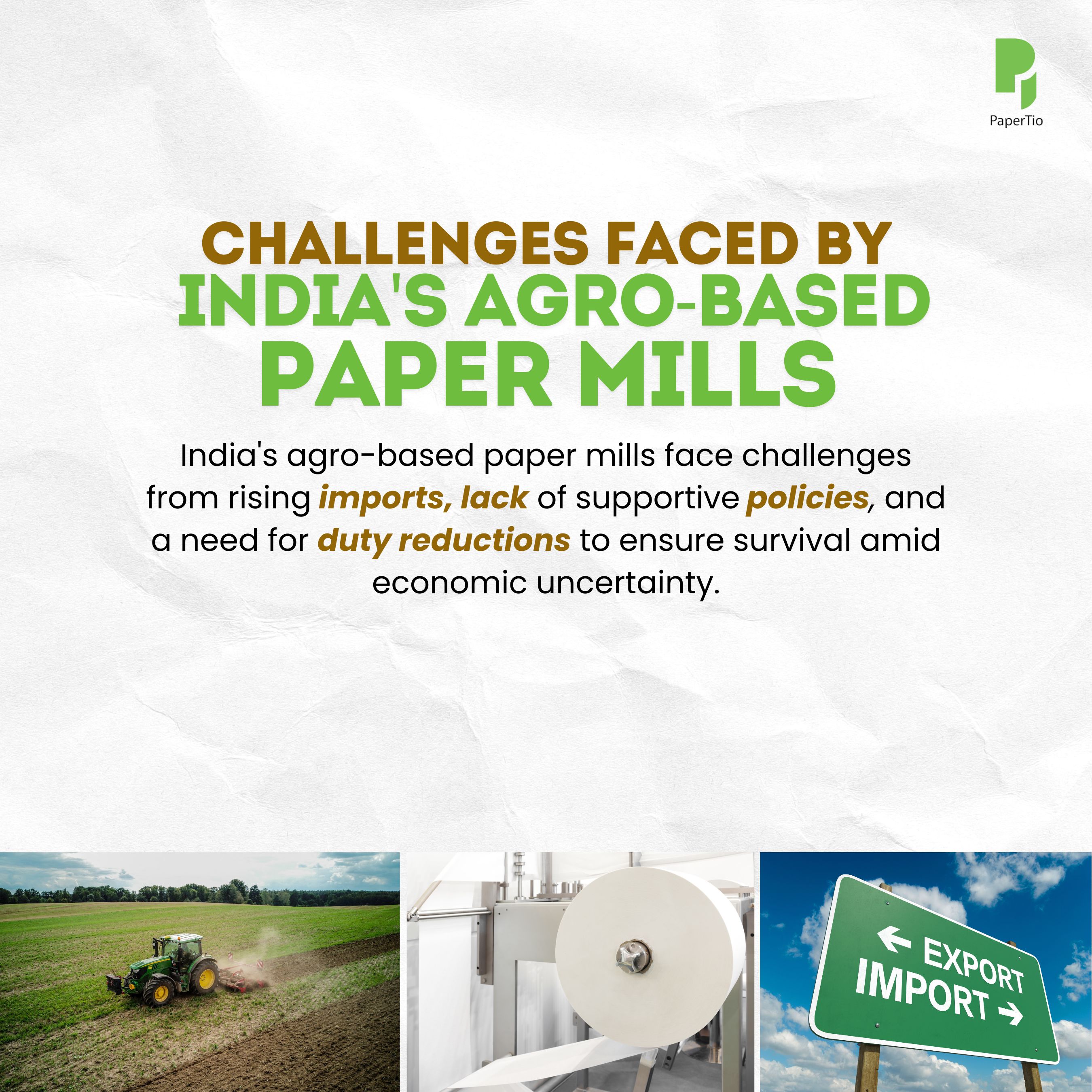
IARPMA, faces significant challenges due to a lack of supportive government policies.
The Indian paper industry, particularly agro-based mills represented by IARPMA, faces significant challenges due to a lack of supportive government policies. These mills, which convert agricultural waste into valuable paper products and support the rural economy, struggle to obtain essential raw materials like wheat straw and bagasse because of the absence of a clear policy framework.Adding to the strain, the industry is burdened by rising imports of finished paper from ASEAN countries due to Free Trade Agreements, putting domestic producers at a disadvantage. IARPMA is urging the Industry Ministry to reassess these FTAs to protect the survival of domestic industries. Furthermore, there's a call to reduce the import duty on waste paper from 2.5% to 0% to alleviate the financial stress on paper mills.The industry's struggles are further compounded by increasing imports from China and ASEAN countries, which have surged in recent years, making domestic paper production less competitive. A possible recession in 2025 and a global economic slowdown could negatively affect container board demand and exports
Read more →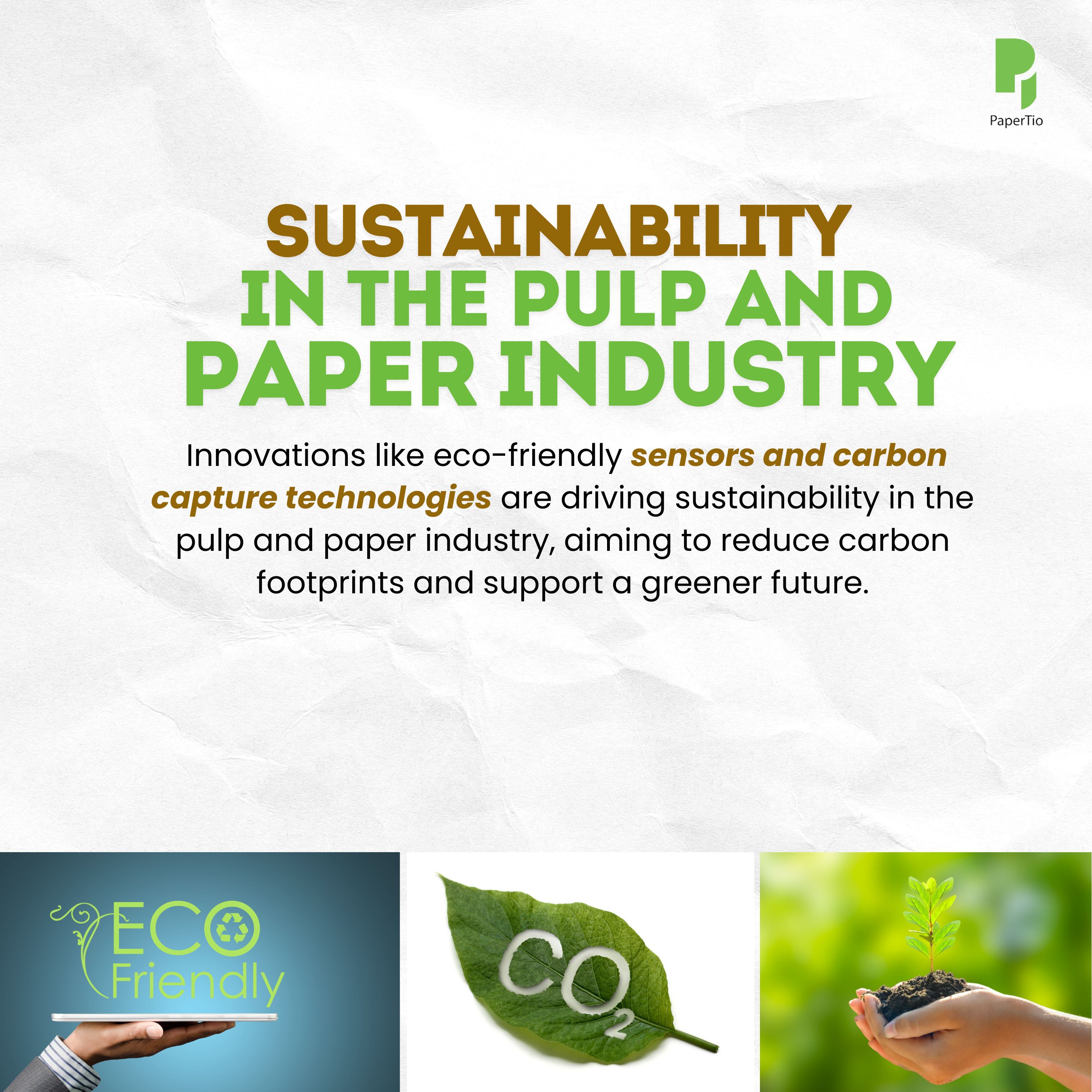
15 February 2025
Sustainability in Pulp and Paper Industry
The pulp and paper industry is increasingly focused on sustainability and eco-friendly alternatives, driven by a desire to reduce carbon footprints and promote a more sustainable future. Recent innovations and studies highlight this commitment.Researchers at Auburn University have developed accurate, reliable, and eco-friendly paper-based temperature and humidity sensors for agricultural applications, using a cost-effective printing technique. These biodegradable sensors can detect changes in temperature and humidity, offering a sustainable solution for environmental monitoring.In another initiative, Svante is collaborating with Paper Excellence and Wood on a carbon capture project at the Ashdown pulp mill in Arkansas. They're assessing the capture of carbon emissions from recovery boilers using Svante's technology, which utilizes a unique filter system and waste heat to capture CO2 efficiently. With DOE funding, this project aims to capture up to 1.5 million tonnes of atmospheric CO2 through sustainable biomass operations.
13 February 2025
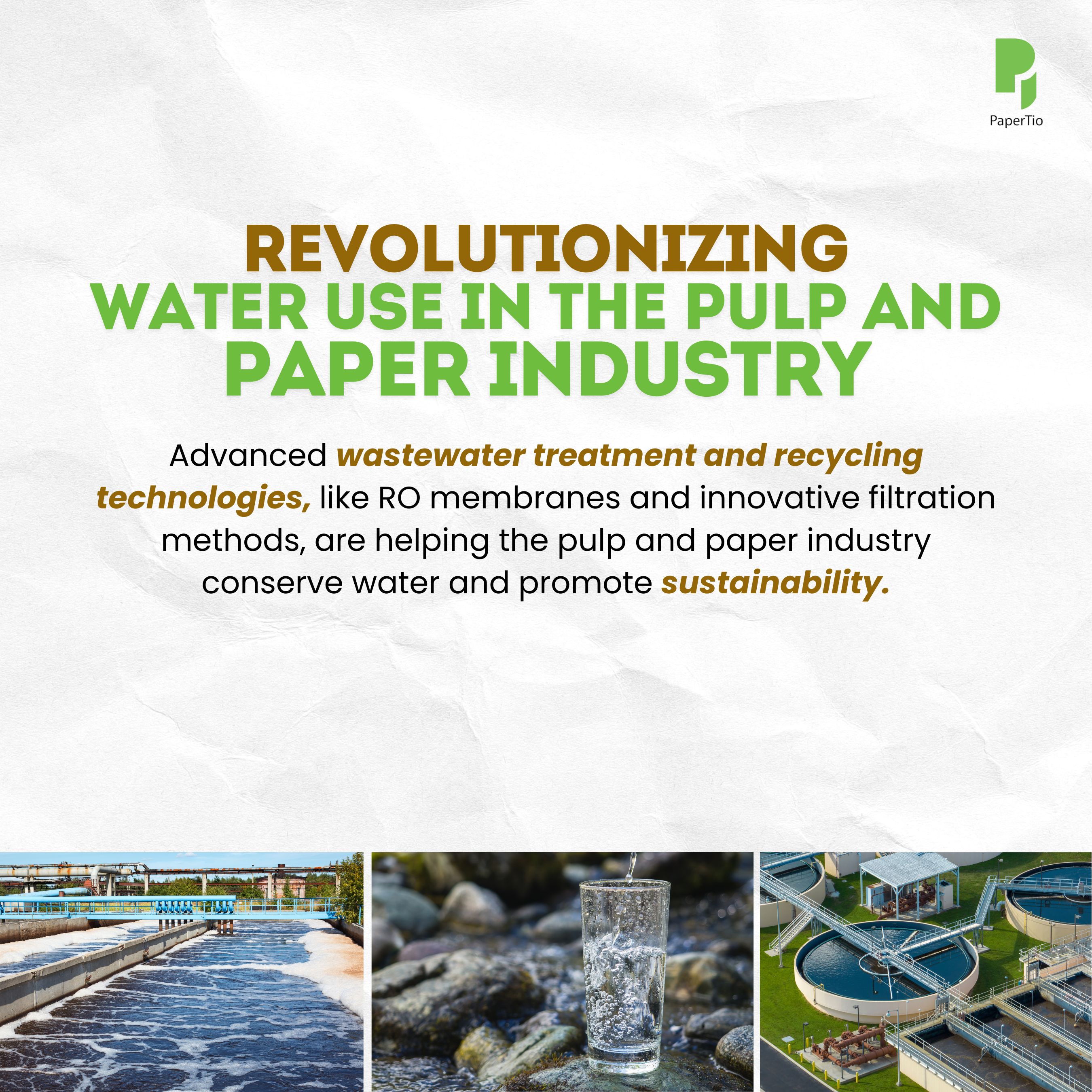
Recycling Wastewater: A Game-Changer for the Pulp & Paper Industry!
Recycling Wastewater: A Game-Changer for the Pulp & Paper Industry!Water scarcity is a growing global issue, intensified by climate change and the demands of water-intensive industries like pulp and papeR. But there's good news! The pulp and paper industry is making strides in wastewater treatment and water recycling.Advanced treatment methods, like combining anaerobic-aerobic biological degradation with Fenton oxidation, are enabling industries to reuse wastewater. Reverse osmosis (RO) membrane technology is proving to be a game-changer for removing salts and producing high-quality water for reuse1. Studies show that cellulose acetate RO membranes are effective in removing dissolved salts and impurities, meeting international standards.To further enhance water flux and salt rejection, pretreatment methods like microfiltration (MF), ultrafiltration (UF), and nanofiltration (NF) are being used. These methods help mitigate fouling and improve the efficiency of desalination. While challenges remain in balancing salt rejection with water flux and membrane fouling, research is ongoing to optimize these processes. By implementing these innovative solutions, we can reduce wastewater discharge, conserve water resources, and promote a more sustainable future

5 January 2025
today PAPER
today paper is very good qualirty naabfvbfvbhv uibgufhuf gfubghuhrufjfjghhfjfjfffjfjffffffjfjfjjjjjjjjjffffffjjjjjjjjjjjjjjjffjfjfjfjfjfjfjjffjfjfjfjfjfjjfjfjfjfjfjfjkfjffjfjfjfjjf

1 January 2025
red paper
chentury paper is the largest paper mill in asia .
31 December 2024
Releaf Paper Partners with Uber Eats for Sustainable Packaging
Releaf Paper Partners with Uber Eats for Sustainable PackagingReleaf Paper, a leader in sustainable packaging solutions, has partnered with Uber Eats to launch eco-friendly packaging options for restaurants in Paris. Releaf's innovative packaging, made from fallen leaves, is now available through Uber Eats' Green Packaging Marketplace. This collaboration aims to reduce environmental impact and promote sustainable practices within the food delivery sector.Key Takeaways:Releaf Paper's leaf-based packaging is now available on the Uber Eats Green Packaging Marketplace.This partnership supports restaurants in Paris in adopting more sustainable practices.The collaboration marks a significant step towards a more sustainable future for the food delivery industry.This summary highlights the key aspects of the partnership, including the use of leaf-based packaging, the focus on sustainability, and the potential for wider impact.
30 December 2024
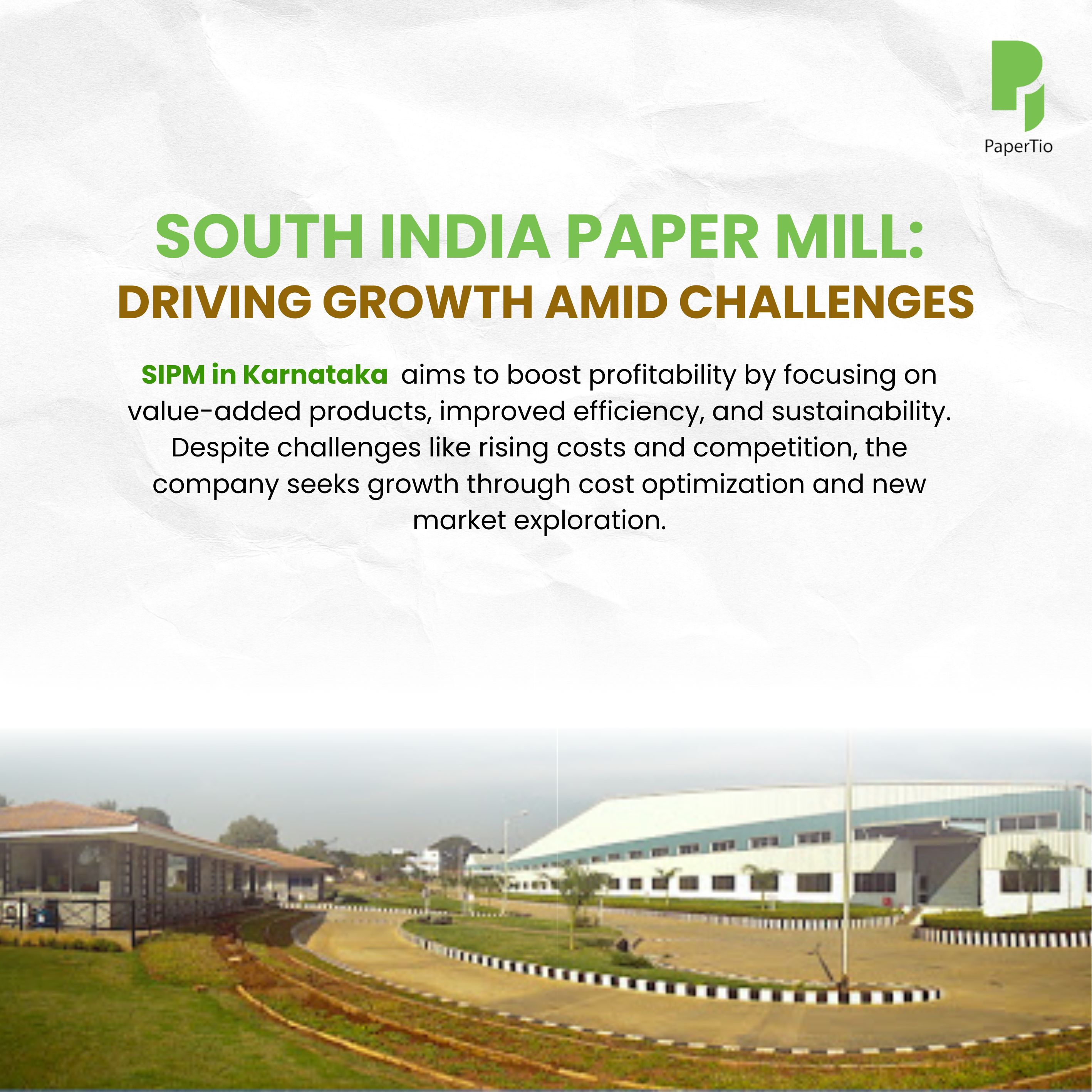
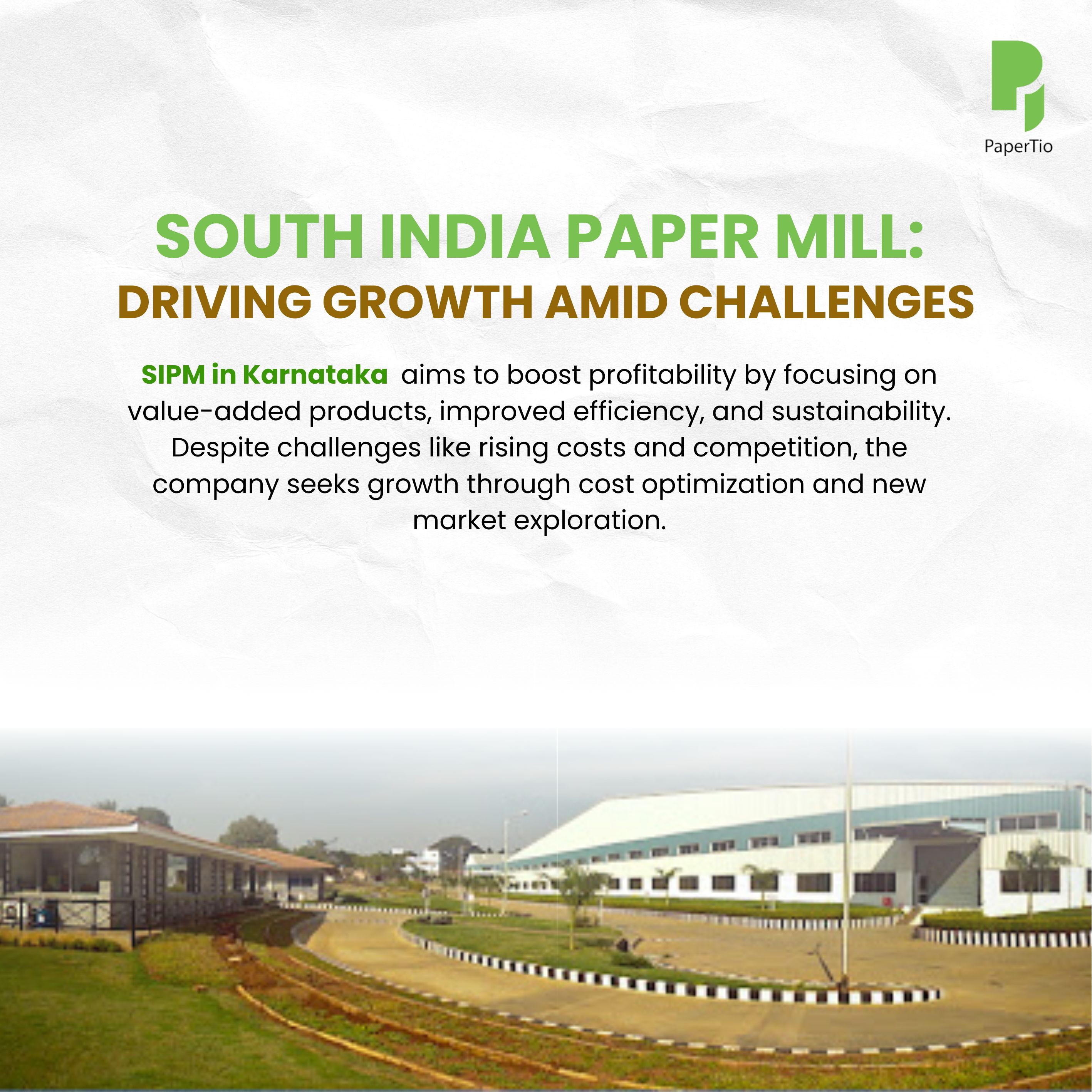
South India Paper Mill (SIPM): Navigating Challenges and Seeking Growth
SIPM, a Karnataka-based paper mill, is focusing on improving profitability through value-added grades and operational efficiency. While production has increased, challenges remain, including competition from Chinese imports, rising input costs, and volatile waste paper prices.Key Highlights:Operational Improvements: Increased production capacity and improved operational efficiency in FY23-24.Focus on Value-Added Grades: Shifting focus to higher-margin products to enhance profitability.Sustainability Initiatives: Emphasis on environmental protection, including effluent treatment and waste management.Challenges: Rising input costs, volatile waste paper market, and competition from Chinese imports.Future Outlook: Focus on Indian fiber, cost optimization, and exploring new market opportunities for growth.
20 December 2024
Century Pulp and Paper (CPP) is a leading producer of premium paper products, committed to sustainability.
Century Pulp and Paper (CPP) is a leading producer of premium paper products, committed to sustainability. They're focusing on:Reduced reliance on virgin wood fiber: Using recycled paper and bagasse.Increased tree plantation: Aiming to plant 1.5 million trees by FY 26-27.Enhanced efficiency: Installing new machinery and optimizing wastewater treatment.Product innovation: Developing eco-friendly products like ultra-soft tissues and sustainable packaging.Sustainable practices: Adhering to WCM principles and FSC certification.By prioritizing sustainability and innovation, CPP aims to lead the industry in responsible and environmentally friendly paper production.
18 December 2024
India's Paper Industry: A Balancing Act Between Domestic and Foreign Tech
India's Paper Industry: A Balancing Act Between Domestic and Foreign TechThe Indian paper industry, once heavily reliant on European machinery, is now embracing a more self-reliant approach. Domestic manufacturers are stepping up, reverse-engineering existing technologies, and expanding their capabilities. While this shift is promising, challenges persist.The Domestic Advantage:Cost-effective solutions: Indian manufacturers offer competitive pricing and faster delivery times.Customization: Domestic suppliers can tailor solutions to specific needs, especially for smaller mills.The Global Advantage:Advanced Technology: European manufacturers offer cutting-edge technology and superior performance, particularly for large-scale operations.Reliability and Efficiency: European machinery is known for its durability and energy efficiency.Balancing Act:The optimal approach lies in striking a balance between domestic and foreign solutions. Smaller mills can benefit from cost-effective Indian machinery, while larger mills may require the advanced technology offered by European suppliers.The Road Ahead:Indian manufacturers have the potential to become global players, but they need to invest heavily in research and development to bridge the technology gap. Collaboration with foreign partners can accelerate this process.Ultimately, the choice of machinery should align with the specific needs and goals of each paper mill. By carefully considering factors like production capacity, quality requirements, and budget constraints, mill owners can make informed decisions to ensure the long-term success of their operations.
12 December 2024
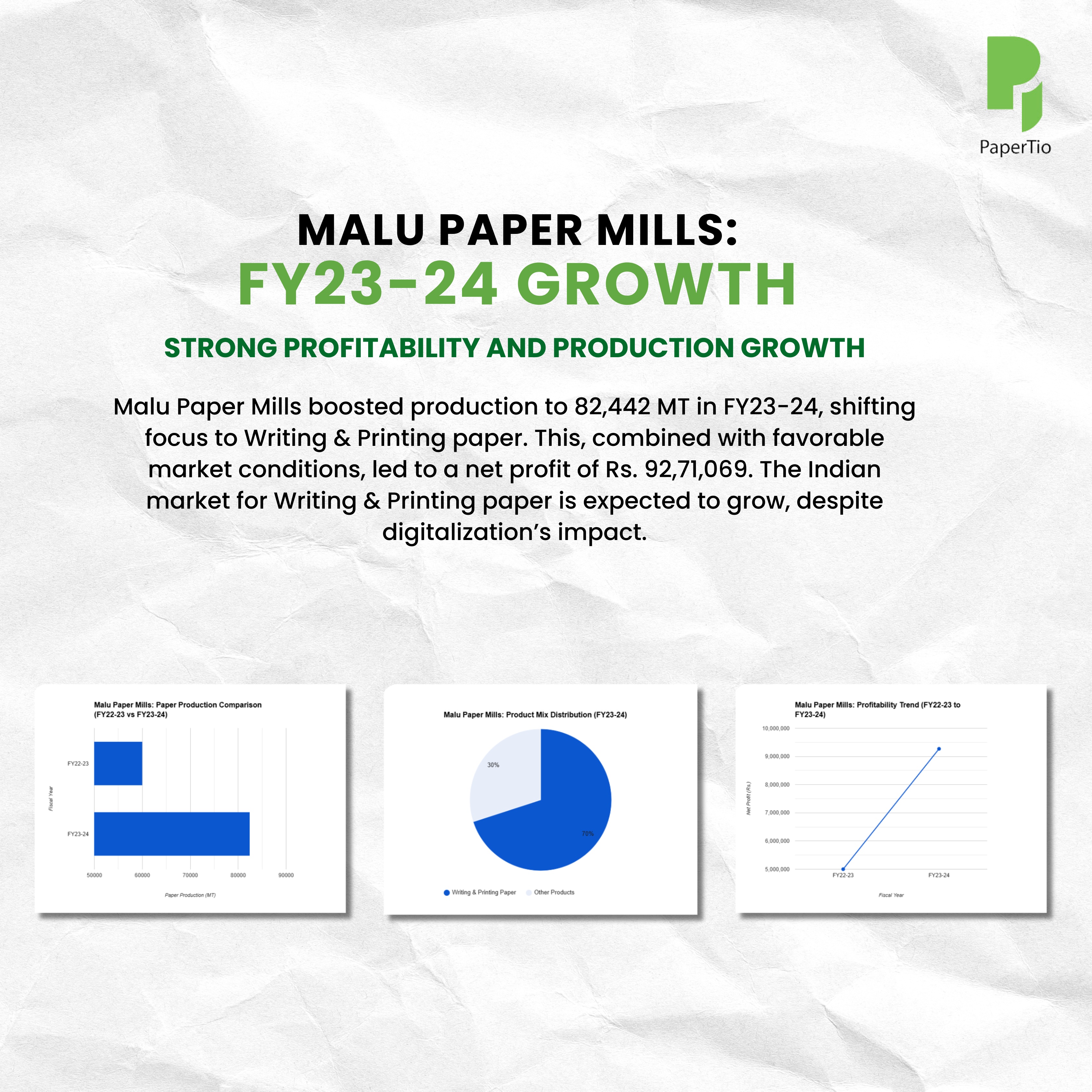
Malu Paper Mills Improves Profitability in FY23-24
Malu Paper Mills Improves Profitability in FY23-24Increased Production: Malu Paper Mills significantly increased paper production in FY23-24 compared to the previous year, reaching 82,442 MT.Shift in Product Mix: The company shifted its focus to Writing & Printing paper, capitalizing on higher capacity utilization in this segment.Improved Profitability: This shift, along with favorable market conditions, led to a substantial improvement in profitability compared to FY22-23, with the company recording a net profit of Rs. 92,71,069/-.Writing & Printing Paper Market Growth: The Indian Writing & Printing paper market is projected to grow significantly in the coming years, driven by increased demand from packaging, e-commerce, and other sectors.Digitalization Impact: However, the volume growth of Writing & Printing paper was modest due to the increasing impact of digitalization.
9 December 2024
The Role of Technology in Modern Paper Manufacturing
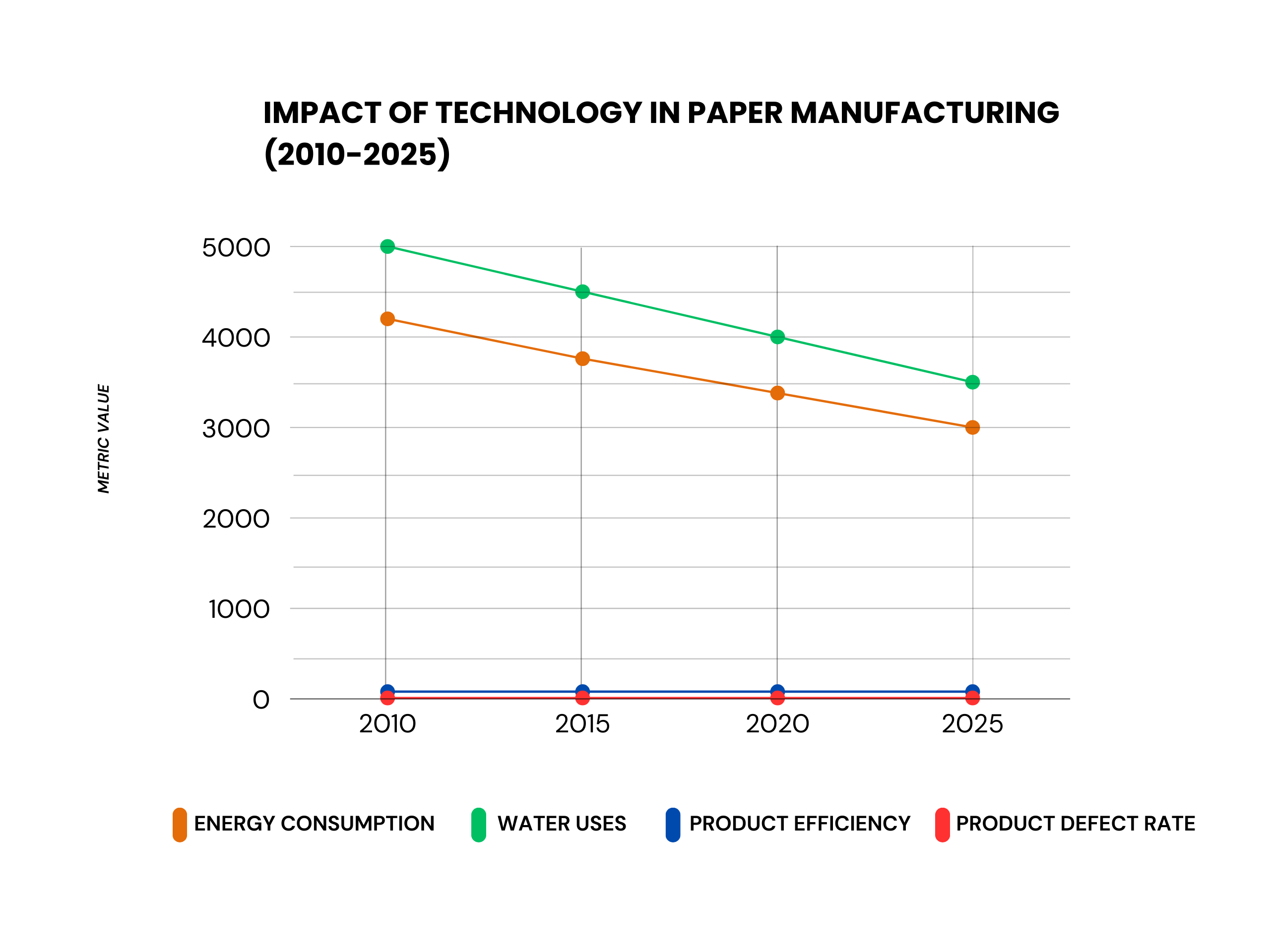
The Role of Technology in Modern Paper ManufacturingIntroductionModern paper manufacturing has evolved significantly from its traditional roots, incorporating sophisticated technological innovations that enhance efficiency, sustainability, and product quality. This article explores the key technological advancements transforming the paper industry in the 21st century.Distributed Control Systems (DCS)Modern paper mills employ advanced DCS platforms that integrate:Real-time monitoring of pulp consistency: Continuous monitoring of pulp consistency ensures optimal papermaking conditions.Automated chemical dosing systems: Precisely controlled chemical addition optimizes paper quality and reduces waste.Web break detection systems: Rapid detection and automatic response to paper breaks minimize downtime and production losses.Artificial Intelligence and Machine LearningQuality Control: AI-powered vision systems can identify defects and inconsistencies in paper products, leading to higher quality standards.Process Optimization: Machine learning algorithms can analyze large datasets to optimize production processes, reducing energy consumption and waste.Predictive maintenance systems reducing unplanned downtime by up to 30%Energy Efficiency TechnologiesKey innovations include:Modern paper mills employ sophisticated energy management technologies that reduce operational costs while promoting sustainability. Heat recovery systems in today's paper machines can capture significant thermal energy (up to 70%) from process exhaust and steam condensate, which is then redirected back into the manufacturing process.Variable Frequency Drives (VFDs) installed on motors throughout the mill optimize speed control and power consumption, particularly in pumping and ventilation systems. Additionally, mills utilize smart steam management systems that maintain optimal pressure distribution while minimizing wasteWater Management SystemsModern mills implement:According to the Confederation of European Paper Industries (CEPI) Sustainability Report, while closed-loop water systems do significantly reduce water consumption, the exact percentages vary considerably. Here's what we can verify:From the Environmental Paper Network's "State of the Global Paper Industry" report:Modern paper mills have reduced their water consumption significantly over the past decades. The actual reduction varies between facilities and technologies used, some mills achieve 40-50% reduction with advanced water management systems.The future of paper manufacturing stands at an exciting intersection of sustainability and innovation, where emerging technologies like nano-cellulose applications and carbon capture systems promise to redefine the industry while prioritizing environmental stewardship.
26 November 2024
Indian Paper Industry Under Threat from Imports
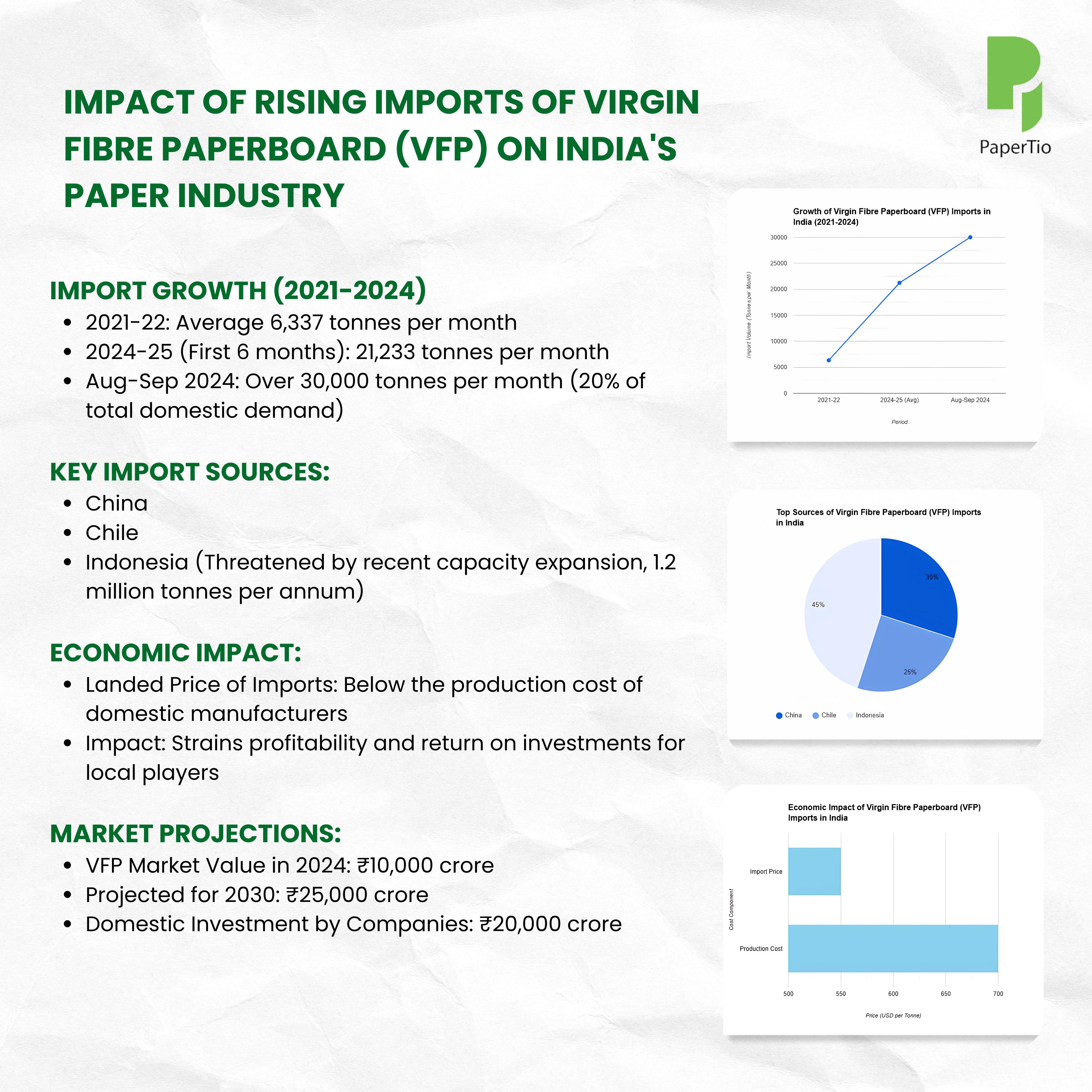
Indian Paper Industry Under Threat from ImportsThe Indian Paper Manufacturers Association (IPMA) has raised alarm over the sharp rise in imports of virgin fibre paperboard (VFP), primarily from China and Chile. These imports, priced below production costs, are eroding the profitability of domestic manufacturers and jeopardizing their investments.The surge in imports, particularly in recent months, has reached alarming levels, constituting a significant portion of the domestic demand. This trend, coupled with the anticipated increase in imports from Indonesia, poses a serious threat to the growth and sustainability of the Indian paper industry.The IPMA is urging the government to take immediate action to protect domestic manufacturers and ensure a level playing field. This could involve implementing measures such as tariffs, quotas, or stricter anti-dumping regulations to curb unfair trade practices.